Output
By Kevin D. Ham, M.D.
Vancouver, BC, Canada
We breathe, drink and eat in order to provide the necessary nutrients to build and maintain the cells of our bodies, but we must also remove any metabolic waste products produced by the cells and any substances that are either harmful to the body or no longer of any use to the body.
We excrete these waste products by breathing, sweating, urination and defecation.
Breathing facilitates the removal of metabolic by-products, such as carbon dioxide, from the blood through constant breathing. Breathing can also eliminate volatile toxicants such as ethanol or pesticidal fumigants as well as volatile metabolites including acetone and carbon dioxide.
There are about 2.6 million sweat glands that regulate body temperature via sweating. While sweat consists mostly of the plasma of blood, apocrine sweat from our armpit and genital areas also contain proteins and fatty acids. While sweat is odorless, the bacteria present on the hair and skin metabolize the proteins and fatty acids present in apocrine sweat and unpleasant odors can be produced. Some of this sweat can be absorbed by clothing or reabsorbed back into the blood via the skin if not washed regularly.
The kidneys are primarily organs of excretion and elimination by the kidney accounts for most by-products of normal body metabolism. They also are the primary organs for excretion of polar drugs and metabolites, such as pesticides and drugs. The kidneys remove urea from protein metabolism, creatinine from muscle metabolism, uric acid from nucleic acids, bilirubin from red blood cells and broken down products of hormones. One liter of blood flows into the kidney every minute and from that, one milliliter of urine is produced every minute.
The liver produces bile, which aids in the digestion of fats in the small intestine. Excess bile is stored in the gall bladder. It consists of bile salts and bile pigment, which come from the breakdown of red blood cells, cholesterol and lecithin. It emulsifies fats, making them easier to digest. Bile is also important in the elimination of toxins, heavy metals, drugs, and other harmful chemicals. These are delivered to the small intestine and removed in the feces. Some of these can be reabsorbed through the enterohepatic cycle back into the blood from the small and large intestine.
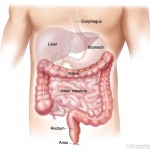
Undigested food enters our colon, which is about 1.5 meters in length. However, it takes about 8-12 hours for this stool to pass through our colon to our rectum. During this time, up to ten liters of gas is produced in our colon daily. Less than 1 liter exits as flatus. So where does this gas go? Where does this gas come from?
The quadrillion bacteria in our colon feast on the undigested food and multiply, producing metabolic waste products, such as acids, enzymes and gases. Most of this gas is absorbed into the blood and transported to the liver, which detoxifies most of it.
A rising epidemic of constipation, due to a diet of processed foods, not enough fiber, lack of physical activity, compounds to the problem of keeping in waste, as well as potential pressure effects in the abdomen, when such wastes should be excreted from the body regularly.
Timely, regular, frequent elimination of metabolic waste products and harmful chemicals should be removed from our bodies and help keep the blood clean and free of such burden.